How to Organize a Fridge: A Shelf-by-Shelf Reset
How to organize a fridge with clear shelf zones, a visible use-soon area, and a quick reset after shopping. Follow official food-safety guidance.
By Ultimate Meal Planner by Cosmo Suite · Editorial policy
Published · 8 min read
General information, not medical or nutrition advice.
It's Sunday at four. The groceries are on the counter, last night's container needs a place, and the door shelf is already crowded. You can put everything away quickly, then spend the week moving jars to reach what you need. Or you can give each part of the fridge a simple job.
How to organize a fridge comes down to three choices: what belongs together, what needs to be easy to spot, and what should stay separate for safe handling. You do not need matching bins or a new refrigerator. Start with the shelves you have, then adjust after a real shopping trip. FoodSafety.gov is the source for safety guidance here; this article does not set storage times.
Before You Plan: Clear one shelf at a time, group foods by how you use them, keep a visible “use soon” area, and check the appliance manual for model-specific directions.
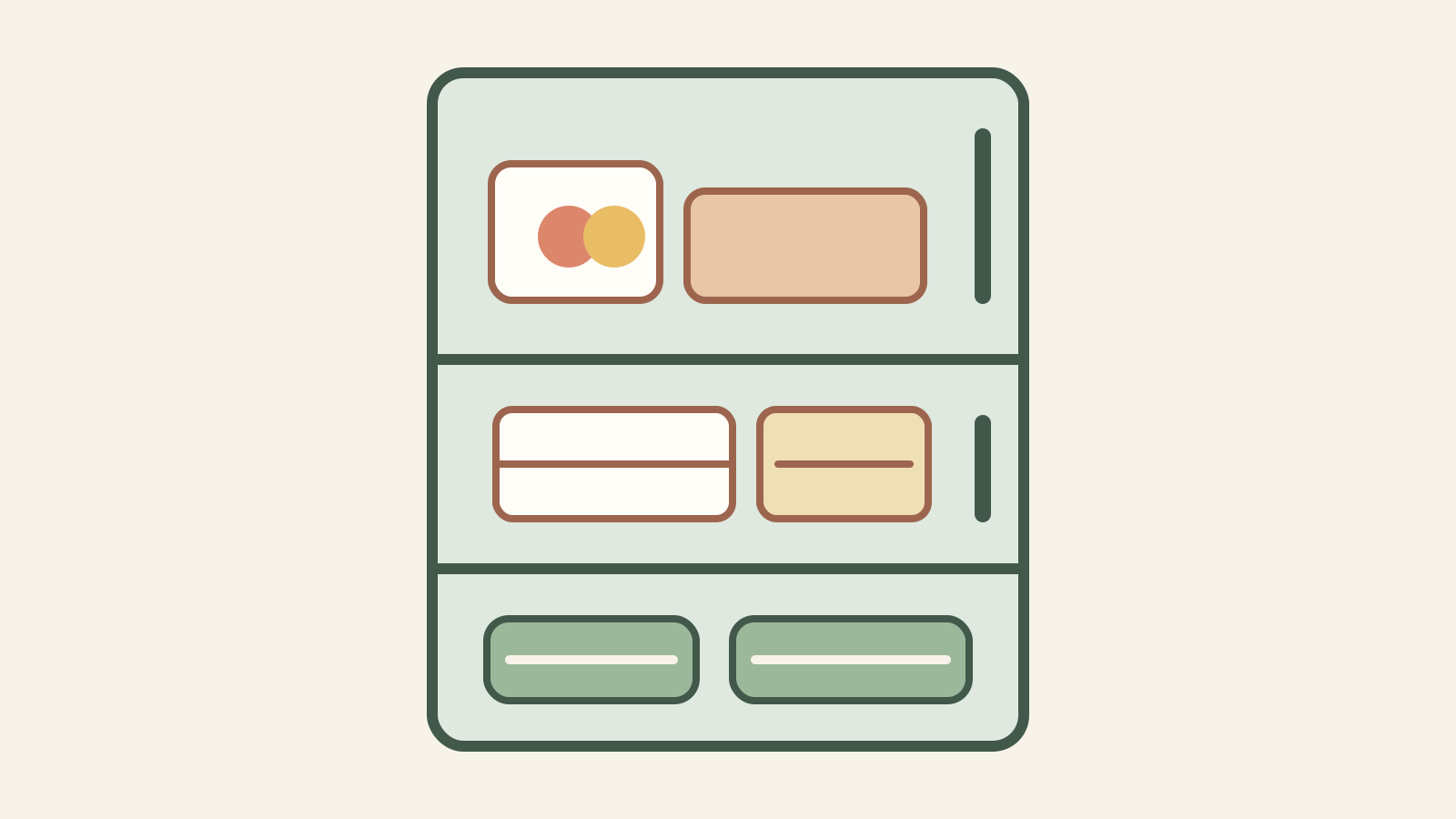
A Fridge Layout That Gives Each Shelf a Job
Start with zones that fit your refrigerator and household. A fridge zone is a shelf or drawer with one regular job. The example below is a planning map, not a universal safe-storage chart. For safe placement, follow the current FoodSafety.gov guidance for cold food storage and your appliance manual.
If your weekly plan and shopping list are already connected, a meal-planning spreadsheet that links meals to the grocery list can help you decide which ingredients need a visible place. The fridge layout itself still depends on your shelves, drawer settings, and the foods you buy.
| Fridge area | Possible job | What to check |
|---|---|---|
| Eye-level shelf | Items you want to notice first | Keep the front easy to scan |
| Middle shelf | Everyday containers and ingredients | Group similar items together |
| Lower shelf | A contained zone for items that need separation | Follow FoodSafety.gov placement guidance |
| Crisper drawers | Produce, arranged to match your refrigerator | Use the drawer settings in your manual |
| Door shelves | Condiments and other items suited to the door | Check your model’s guidance |
| Small front section | Food you plan to use soon | Keep it visible and clearly separate |
The useful part is the job assigned to each area. If your fridge has one shelf and two drawers, the layout can still work. If shelves move, leave enough height for the containers your household actually uses.
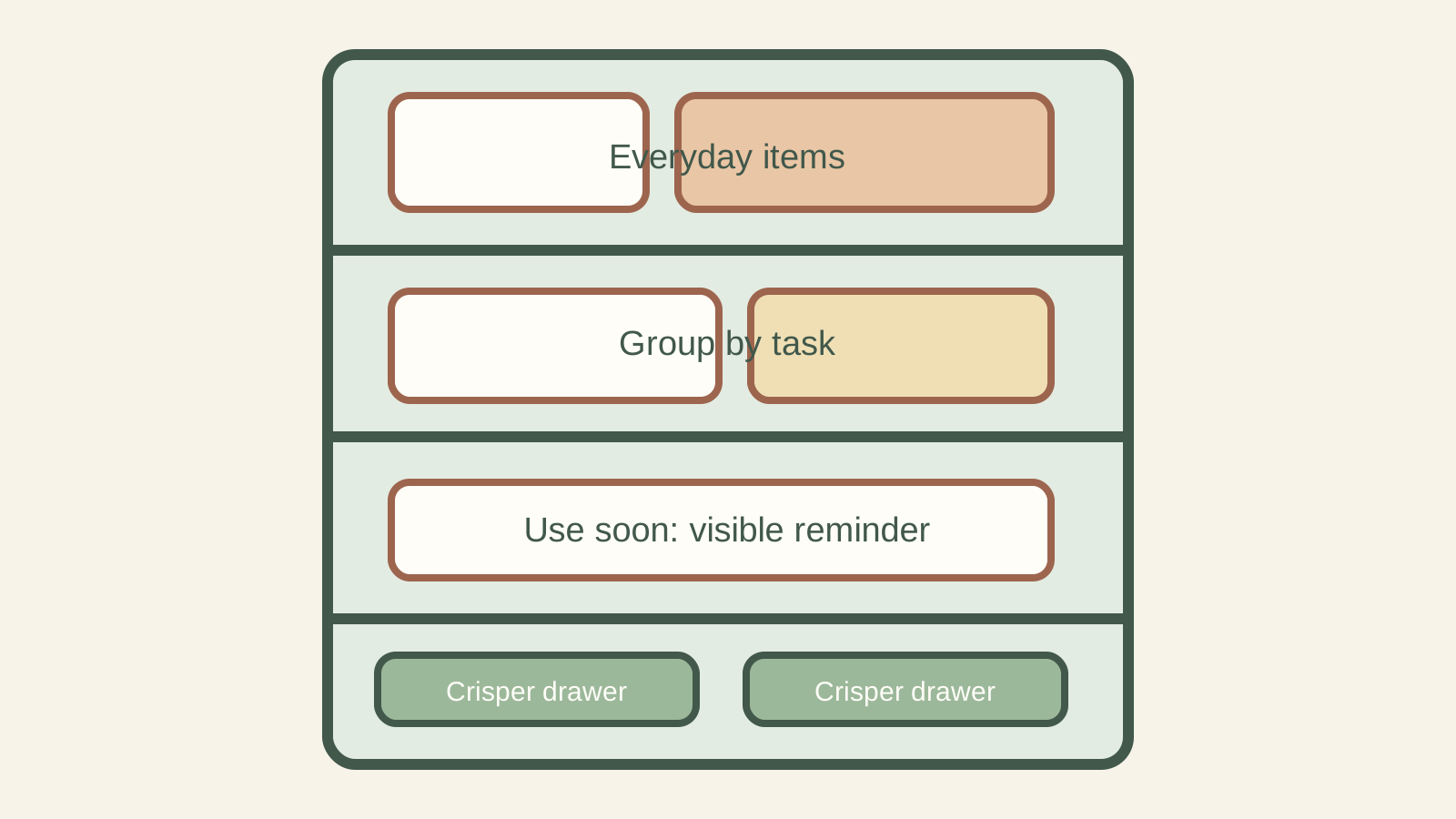
How to Organize a Fridge in Six Steps
You can organize a fridge without emptying the entire cabinet. Work one shelf at a time so cold food spends less time out while you sort. If you find a spill or food that may be unsafe, follow official food-safety guidance rather than guessing from appearance.
- Choose one section. Begin with the shelf that is hardest to use. Move its contents to a clean surface briefly, grouping like items together.
- Wipe and dry the area. Use the cleaning method recommended by your refrigerator maker. Let the shelf dry before returning food.
- Group by task. Put breakfast items together, cooking ingredients together, and containers for planned meals in one easy-to-find place.
- Put items back by frequency. Everyday items should be reachable. Less-used items can go farther back, as long as you can still see what is there.
- Make a visible use-soon area. Use one shallow bin or a marked patch of shelf for food you have chosen to use next. It is a reminder, not a statement about how long food remains safe.
- Test the layout. Open the door and take out the item you reach for most. If you have to move several things, change the zone before you organize another shelf.
The order matters less than whether the arrangement survives a normal weekday. A beautiful setup that needs constant re-stacking is not useful. Keep only the containers and dividers that solve a real reach or visibility problem.
Set Up Shelves Around Your Household’s Routine
There is no single shelf plan for every refrigerator. A family that packs lunches may need a reachable lunch section. A household that cooks most dinners may want recipe ingredients together. If you cook for one, a smaller visible zone may be enough.
Breakfast: Place the items you use together in one area, such as a spread, a topping, or a container you reach for each morning. Keep the group compact so it does not take over the shelf.
Dinner ingredients: Gather ingredients for a planned meal in a container or clear area. This makes it easier to see whether the meal is ready to cook without searching through every shelf.
Lunches and snacks: Put frequently chosen items where the people who use them can reach them. If children use a lower shelf, choose foods and storage positions that are appropriate for your household and follow safety guidance.
Leftovers and opened packages: Give them a consistent place and keep them visible. Use dates and storage instructions as directed by official guidance and product labels. Do not use a tidy bin as a substitute for checking whether food is safe.
Door items: The door warms and cools as it opens. OXO’s fridge organization guidance describes the door as one of the warmer spots and groups condiments there. The FoodSafety.gov cold-storage chart specifies refrigerator temperatures and storage guidance; check the source and your appliance manual when deciding where a particular food belongs. Do not rely on a generic “door is fine” rule for perishable foods.
Rearrange After a Shopping Trip
New groceries can hide older items when they go straight to the front. A short reset keeps things visible and takes less time than a full cleanout. The Architectural Digest roundup of fridge organization ideas, published 16 January 2026, also emphasizes grouping similar items and choosing a layout for easy access. You can apply that idea without buying the organizers featured in a product roundup.
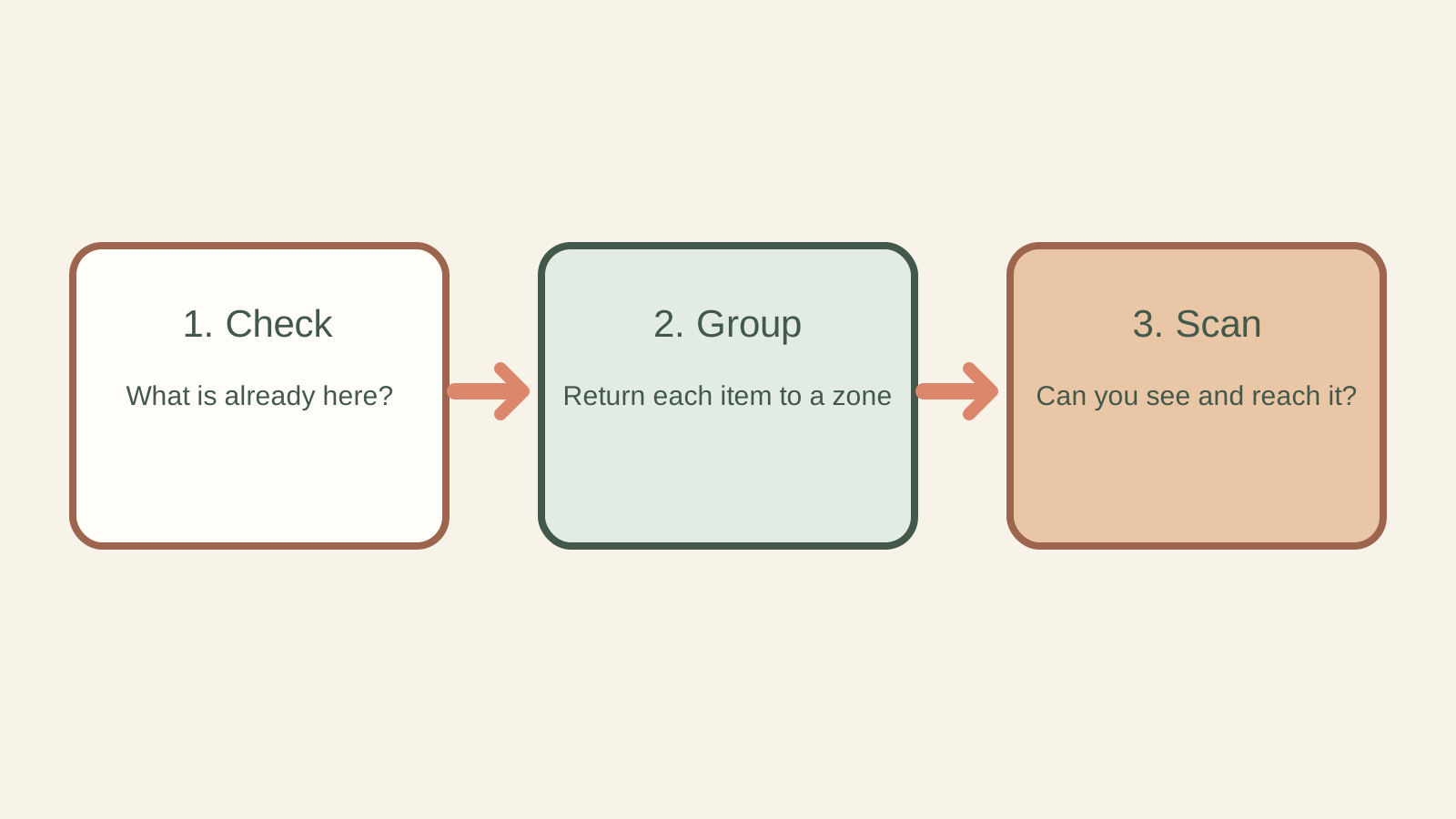
First, clear enough space to put groceries away without stacking everything. Then move food already in the fridge forward if you have chosen to use it soon. Place new items behind the existing group where that makes sense, and return each item to its zone.
Before you close the door, look for blocked containers, unstable stacks, or food hidden behind a large package. If the shelf feels crammed, shift a category to a different area or use a smaller container. The goal is to see and reach the food, not to fit the most containers possible.
OXO’s refrigerator organization guidance suggests assessing the height and arrangement of shelves against what you store. That is a practical reminder to work with your appliance rather than buying organizers first. Your refrigerator manual remains the source for its specific shelf and drawer features.
What Keeps the Layout Useful
The part that makes a fridge stay organized is the small reset after each shop. Assigning zones once helps, but routines change: a large grocery trip, guests, or a different meal plan can fill the shelves in a new way.
Keep the plan flexible. If a group spills into another shelf, decide whether the category is too large for its zone. If you cannot see the food at the back, reduce the group or move the most-used items forward. If a bin collects unrelated things, give it a clearer job or remove it.
One helpful cue is to keep a short list of items you already have and ingredients you need. That list should reflect your actual kitchen, not an idealized inventory. A quick glance before shopping can help you avoid buying something you already planned to use, but it does not replace food-safety checks or product labels.
For example, you might write down “pasta, tomatoes, spinach” as a planned dinner, then check which items are already recorded before adding the rest to your shopping list. Those are illustrative ingredients, not a recipe or a required amount. The useful question is whether the list matches what is in your kitchen today.
Keep the system small enough to maintain. A note on the fridge can work. A shared list can work. A spreadsheet can work if you like keeping meals and shopping in one place. The storage layout and the planning tool are separate jobs: one helps you find ingredients, while the other helps you decide what to buy and cook.
For a repeatable system, note what regularly gets missed: a jar behind a carton, produce buried in a drawer, or dinner ingredients split across shelves. Fix that one point. You do not need to reorganize the whole appliance each week.
Where Ultimate Meal Planner Fits
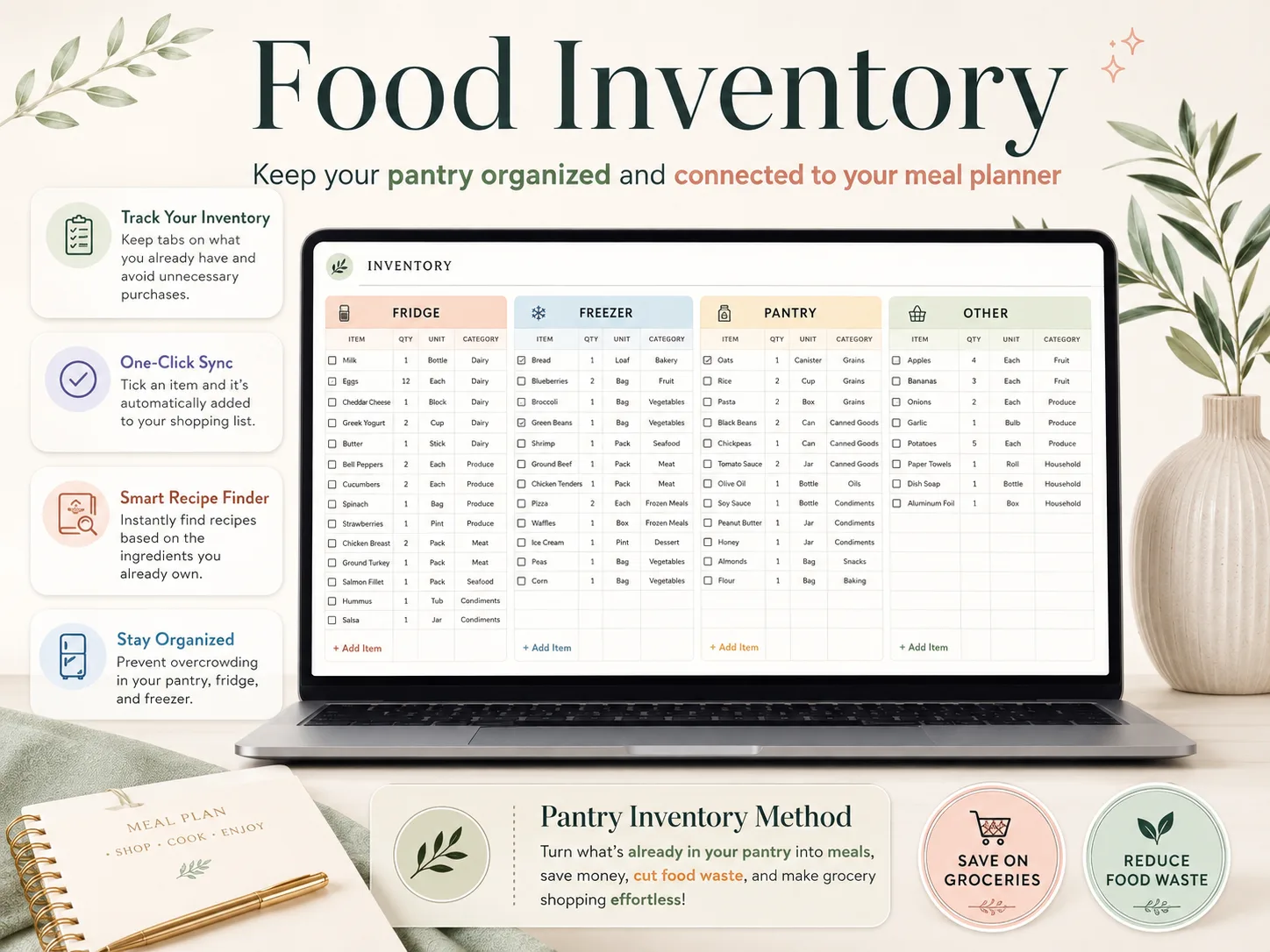
If the fridge is hard to scan because dinner plans and shopping notes live in different places, connect the plan to the list you take to the store. Ultimate Meal Planner is a one-time spreadsheet by Cosmo Suite, not a subscription. Its Meal Planner and Shopping List tabs connect planned meals with the grocery list, while Food Inventory tracks items you record.
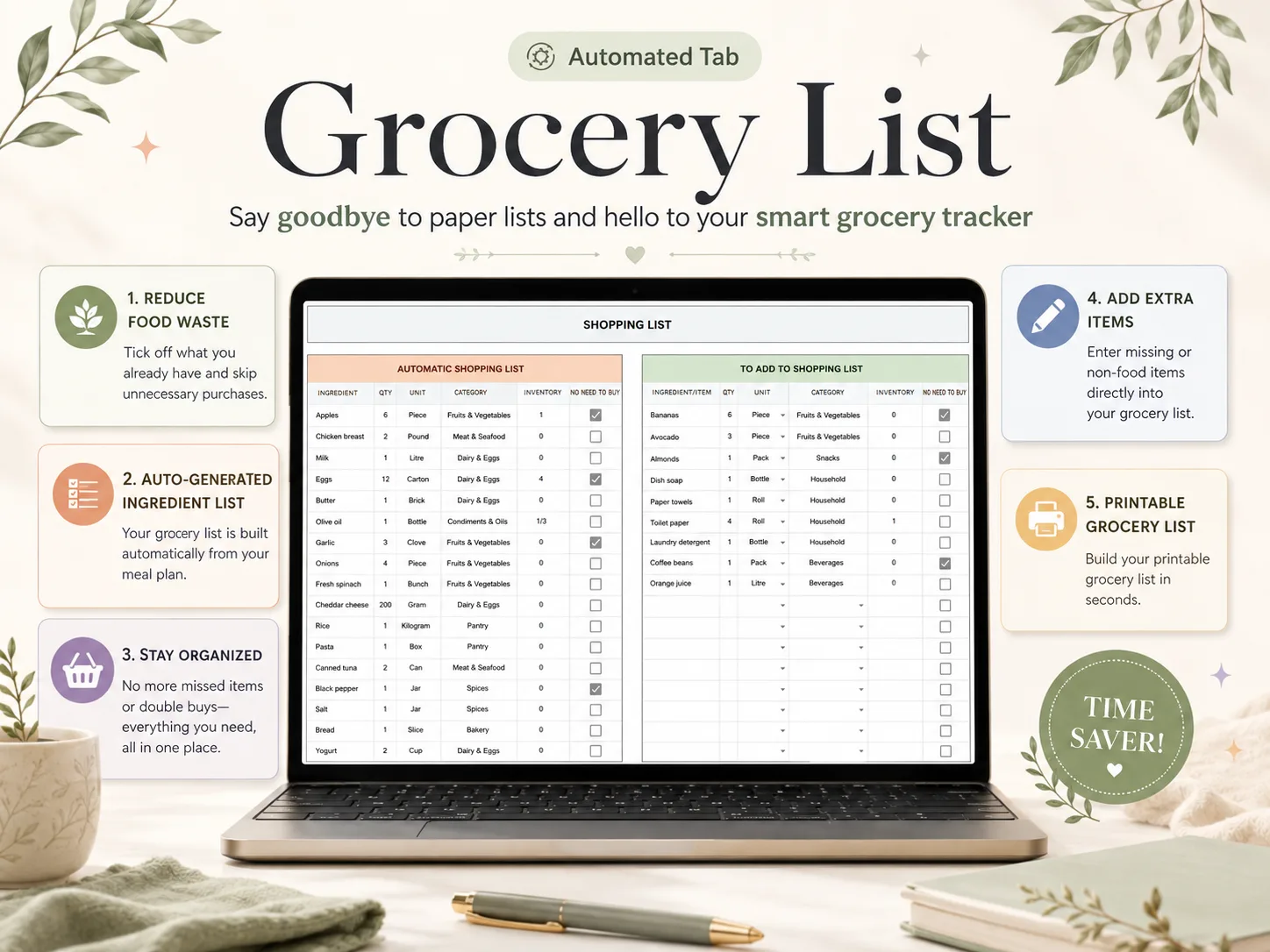
The spreadsheet does not map physical fridge shelves, judge food safety, or tell you whether something is still safe to eat. Those decisions belong to you and official guidance. It can help keep meal choices and shopping notes together so the next grocery trip starts with a clearer list.
For a wider view of how meals connect to a grocery list, see the weekly meal planner template example and the meal planner template walkthrough. Use the spreadsheet as a planning aid, then organize the actual refrigerator around your space and routines.
How We Made This
Ultimate Meal Planner is a product made by Cosmo Suite, and we have a commercial interest when we describe its planning tools. This article is practical guidance, not an independent product review. We checked FoodSafety.gov’s Cold Food Storage Chart on 19 October 2026 and used it as the only source for food-safety guidance. We also reviewed OXO’s refrigerator organization guidance and Architectural Digest’s 2026 organization roundup for layout ideas. Their suggestions are not safety rules. The shelf map and reset routine in this article are practical examples, not a universal refrigerator standard.
Frequently asked questions
How do I organize a small fridge at home?
Give each shelf a job, use the door for items that suit its warmer, changing conditions, and keep one small section visible for food you plan to use soon. Leave room to move items without unpacking the whole shelf.
Should milk go in the fridge door?
The door is often warmer than the main cabinet because it is opened often. Check your refrigerator manual and place highly perishable items in a stable interior location that fits your model.
In what order should food be stored in a fridge?
Use the food-safety guidance from FoodSafety.gov for safe placement. In general, keep raw items contained and separated from ready-to-eat food, and follow official guidance for your refrigerator and foods.
Is it better to keep a fridge full or empty?
Neither extreme helps you use the space. Keep shelves easy to scan and avoid packing items so tightly that you cannot see or reach what is behind them. Follow your appliance manual for airflow guidance.
How often should I reorganize my fridge?
Do a short reset when groceries come home and a quick scan before your next shopping trip. A full rearrangement is only needed when the current zones stop matching how your household uses the fridge.
What is the fastest way to keep a fridge organized?
Return each item to a named zone, keep food you plan to use soon visible, and check the layout after shopping. A small routine is easier to repeat than a perfect-looking arrangement.
